
DATA CENTRE COOLING
Cooling That Matches the IT Load. Resilience That Matches the Risk.
Data centre cooling must remove concentrated IT heat loads continuously, hold stable air conditions at the equipment inlet and keep operating through maintenance, faults and power interruptions.
SYSTEM APPROACH
Rack-Level Heat Removal. Facility-Level Resilience.
Hollis & Pike supports data centre and technical room projects from chilled water and free-cooling plant through close-control cooling, airflow management and monitoring.
Cooling design starts with the IT load profile, the resilience level the operator has committed to and the local climate. The right approach separates hot and cold air paths, uses free cooling whenever conditions allow and ensures the loss of any single component does not take cooling away from the IT equipment.
TYPICAL SYSTEMS
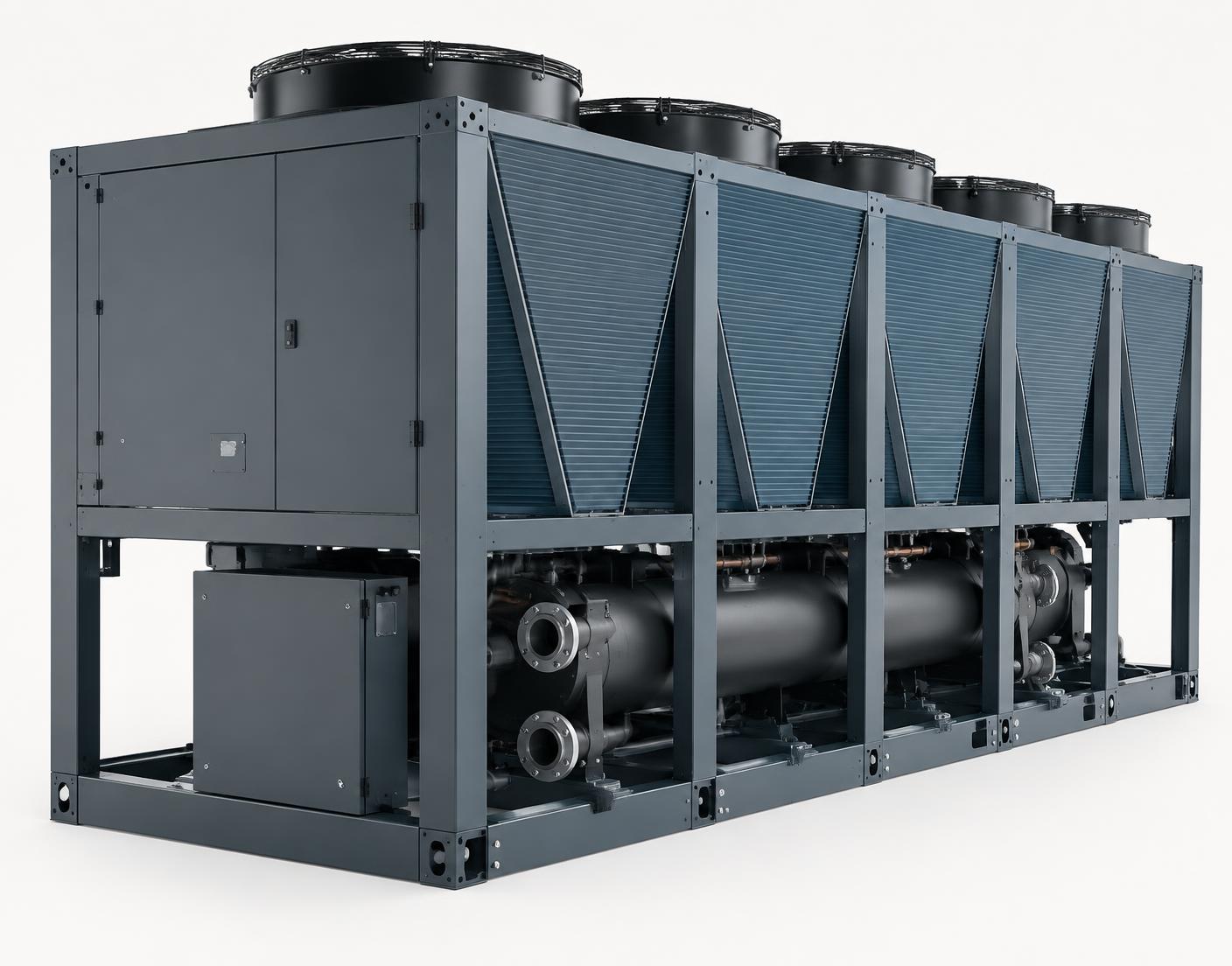
- Chillers with free cooling
- Close-control cooling units
- Split systems for small technical rooms
- Control valves and actuators
- Temperature and leak monitoring
- Aisle containment
- BMS integration
ENGINEERING CONSIDERATIONS
What Shapes the Selection.
01
Air path management
Hot or cold aisle containment keeps supply and return air separate, which stabilises inlet conditions and allows higher supply temperatures.
02
Redundancy
Cooling units, pumps, chillers and controls are arranged to the required redundancy level, such as N+1 or 2N, so equipment can be maintained without reducing cooling below the load.
03
Operating temperatures and free cooling
Raising supply air and chilled water temperatures within the IT equipment's recommended range increases the hours available for free cooling, particularly in UK and Benelux climates.
04
Power continuity
Controls, pumps and fans may need uninterruptible supplies or rapid restart so cooling recovers before temperatures rise after a power interruption.
05
Monitoring and alarms
Rack inlet temperature sensors, leak detection and alarm integration give operators early warning of a developing problem.
06
Phased load growth
IT loads are often installed in phases, so plant should be modular and remain efficient at the low loads of the early years.